


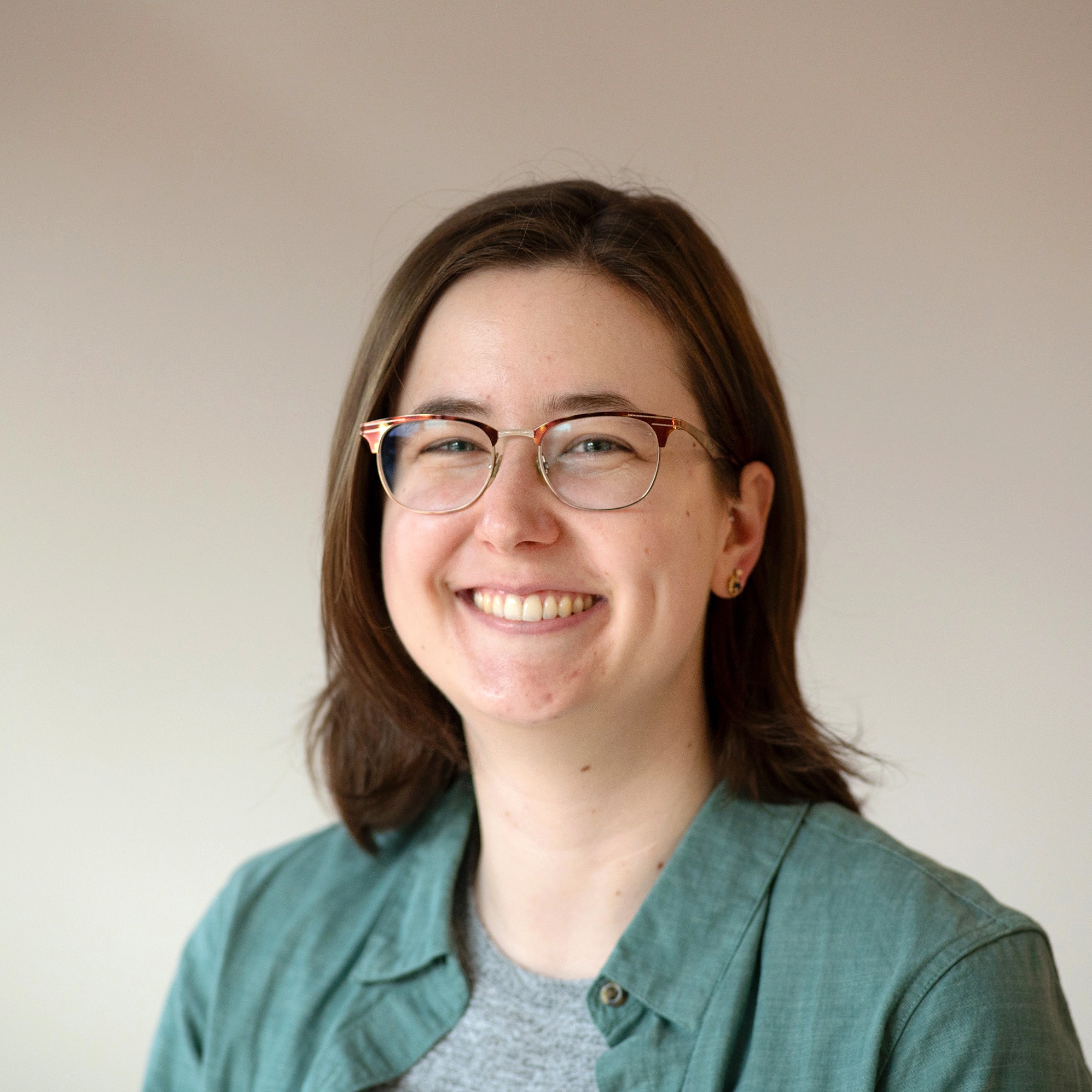

Gabrielle Drew rented an apartment and ended two years of homelessness after she was hired by a local Bangor organization through its new employment program.
“They gave me a sense of purpose, something to look forward to doing and feeling like I’m needed,” Drew said. “If it wasn’t for this program, I probably would be dead right now.”
Needlepoint Sanctuary, a local organization that distributes sterile syringes and other harm reduction supplies to Bangor’s most vulnerable residents, launched a pilot program roughly a year ago called the Low Threshold Employment Program.
The program, which was formalized in January, hires people who are homeless and may be actively using substances as per-diem employees for Needlepoint Sanctuary, said William Hurley, the organization’s executive director.
Employees generally work five hours per week and spend most of their time preparing for Needlepoint Sanctuary’s various outreach efforts by packing kits that are distributed to those in need, Hurley said. Those kits can hold wound care materials or harm reduction supplies for people who inject drugs.
The program is one of many ways Bangor-area organizations are searching for ways to serve people who are homeless, struggling with mental health disorders and actively using substances, as these challenges have grown both locally and statewide in recent years.
The program caters to people who may not be able or ready to hold a full-time job because they’re homeless or actively using substances, but still want to contribute to their community, Hurley said.
“A lot of people, whether they’re in active drug use, homeless or struggling with their mental health, feel very disconnected,” Hurley said. “They feel a lack of purpose and a lack of belonging within their community, so we’re trying to create that here.”
The program follows an “employment first” model, which believes that people first need a steady source of income in order to stabilize and improve other parts of their lives, such as their living situation, Hurley said.
It also shows that those who are homeless and dealing with substance use disorder can help people in a similar situation and help a community find solutions to those challenges, Hurley said.
While employees may be late to work or miss a shift in the beginning, Hurley said the program has shown people become more dependable and dedicated over time. This leads the organization to expand participants’ hours, give them raises and connect them with additional opportunities.
In February, a month after Needlepoint Sanctuary officially hired Drew, she and her boyfriend moved into their own apartment and, a few weeks later, entered treatment for substance use disorder.
Renting her own apartment was “a relief,” Drew said, because “we have our own room, we have privacy.”
The move was a dramatic change from sleeping outside or on the floor of a tiny two-room apartment with about 15 other people during the winter.
“We slept on the floor in the kitchen between the refrigerator and the wall,” Drew said. “It wasn’t a safe place.”
Drew is one of four people enrolled in the Low Threshold Employment Program. Of those, three employees who have participated in the program for more than six months also secured permanent housing and enrolled in treatment for substance use disorder, according to Hurley.
Those who moved into housing also did so without vouchers, as Needlepoint pays them “a livable wage,” Hurley said.
All of the participants are also connected with a certified intentional peer support specialist, which is someone who has experienced the same issues the participants are grappling with. Jessy Archibald, the program’s certified intentional peer support specialist, helps ensure employees are healthy and safe without judgment.
For example, a certified intentional peer support specialist may help people get to medical appointments, enroll in detox or navigate the state’s Supplemental Nutrition Assistance Program, Archibald said.
The program is funded by a grant Needlepoint Sanctuary received from the Maine Recovery Council, as well as funding the organization gets from the state for being a certified syringe service program.
“I love working because you can be yourself and there’s no fear of judgment,” Drew said. “It gives us a second chance at life.”
Correction: An earlier version of this report incorrectly stated that Needlepoint Sanctuary received American Rescue Plan Act fund.