


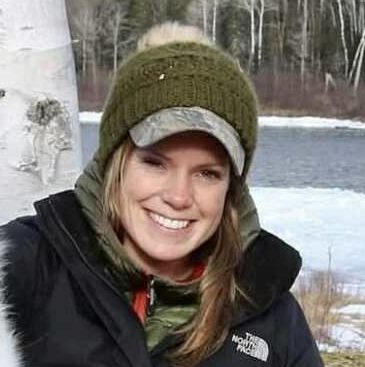

I never hunted rabbits — or more accurately, snowshoe hares — until I got my beagles, which sounds strange, but it’s true. Finn and Daisy, sisters from the same litter, are now 9 years old and they’ve completely changed how I spend time in the woods.
Finn, the smaller of the two, is very cute, dainty when she isn’t hunting and loves attention. At home she never wants to be out of my sight.
Daisy is a little bigger, with a longer stride and longer hair giving her the classic beagle look. She’s sweet and gentle though she snores louder than you can imagine. Both are spoiled but know their manners, especially when it comes to hunting.
I chose beagles because I grew up around them, even though we never hunted. Living in northern Maine, with its abundant snowshoe hare population, seemed like the perfect opportunity to give it a try.
I remember our first training season. I got the girls new GPS tracking collars and a handheld so I could see where they were at all times. It was a sunny July morning and I wanted to get out in the woods before it got too hot. I went to an area my stepfather suggested and let them loose.
I felt a mix of emotions — excited because the dogs were in their element and as happy as they could be, nervous because coyotes were a threat and anxious to see how they would do.
Watching them problem-solve from a distance and work as a team was amazing. That was the day I was hooked, not because they were chasing a hare, but because of the joy it brought them.

Training was gradual. At first, I let them see a hare on the trail and praised them as they followed. Eventually, we moved on to tracking fresh snowshoe hare scents into the woods.
Snowshoe hares tend to have small home ranges, often running in circles, which the dogs learned to anticipate. Some hares run straight for long distances, then make a loop and return along the same path.
In March, male hares roam far during breeding season, so once the dogs chase one, we might not see it again for the rest of the day.
With GPS tracking, I could see where the dogs were, which direction they were headed and position myself for a shot. The beagles were usually 30 seconds to a couple minutes behind the hare, depending on snow depth, which made patience and careful aim important.
The terrain makes a difference. Dense softwoods at the edge of hardwood cuts — cedar bogs where hares can vanish in thick cover — tend to produce the best hunting.
Snow conditions really play a part in how well the dogs can pick up scent. Hard crust doesn’t hold scent well and can damage the dogs’ pads, while fresh snow helps them track more easily.
Over time I learned to read the dogs’ barks — excitement, confusion or focus — and adjusted my strategies accordingly.
Hunting with beagles has taught me as much about myself as it has about hares. I’ve learned patience, endurance in deep snow and harsh weather and the humility of knowing the dogs sometimes know better than I do.
I also love the social side. My three nephews, all under seven, delight in following the dogs, listening to their barks and occasionally spotting a hare.
I enjoy the exercise, the fresh air and the quiet time in the woods. The hares themselves are secondary — though I do take some home for the dogs, who consider it the ultimate reward.
Sometimes when I miss, I can see the eye roll from the dogs as they continue to run by. And while I may miss more hares than I bag, watching Finn and Daisy work never fails to bring a smile.