


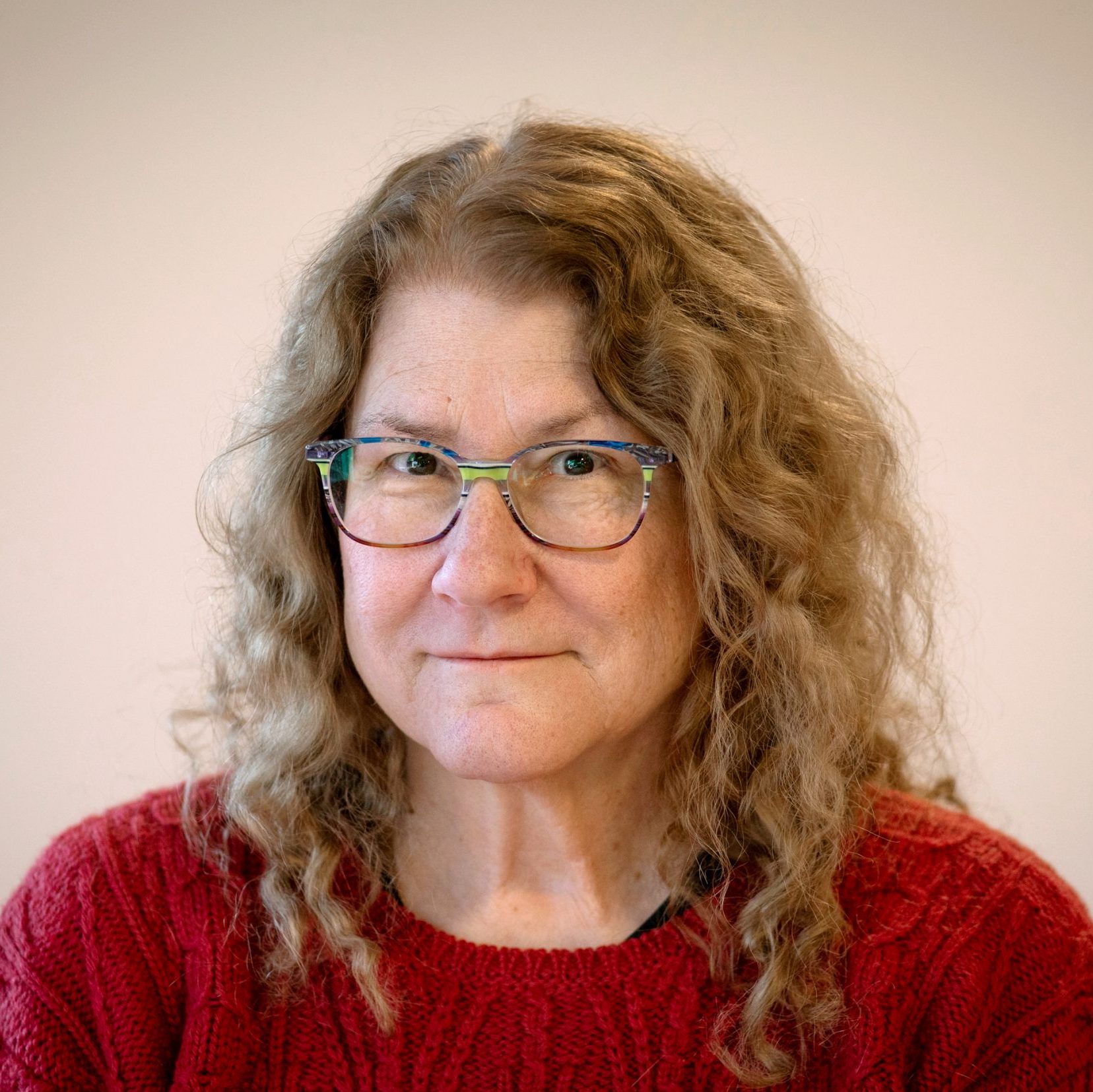

LEWISTON, Maine — Regina Greenlee left home when she was 16 after she said her parents punished her for revealing a relative had molested her.
For the next 20 years, her life was a cycle of drugs, prostitution and prison.
“The last time I was in prison was because I broke out of a police car window,” Greenlee, 57, said. “I wanted them to take me to prison. I thought I was going to die. I had nowhere to go.”
But something changed the last time she was paroled in 1997. She met Becca Stevens, a priest and social entrepreneur who was starting a new long-term recovery program called Thistle Farms in Nashville, Tennessee. Greenlee became one of the first graduates of Thistle Farms, which claims an 84 percent success rate of graduates staying sober and independent.
Thistle Farms spawned 50 affiliates nationwide, including its most recent, Sophia’s House, which opened last Friday in Lewiston with a public event. Greenlee was there to help explain how the approach worked for her.
Sophia’s House is a long-term residential recovery community for female survivors of trafficking, exploitation, prison and addiction. The first residents are scheduled to move in this weekend.
The residence at 143 Blake St., in the former St. Patrick’s Convent, is a project of the Center for Wisdom’s Women, a day treatment center in Lewiston for women who need a safe haven.
The building, which has been vacant for 16 years, was donated by St. Mary’s Health System.
“Five hours a day, five days a week isn’t enough,” said Klara Tammany, executive director of the Center for Wisdom’s Women day treatment center. She talked as she sat on an unfinished floor of Sophia’s House. “We have women with mental illness, post-traumatic stress disorder, health issues, drug addiction and trafficking, and we couldn’t make a dent in it.”
In 2014, she heard that Thistle Farms was having success treating women with its two-year residential program. Tammany said she realized a similar approach could work in Maine.
Part of the treatment is based on the “adverse childhood experiences” study by Kaiser Permanente, which compiled data from 17,000 patients in southern California from 1995 to 1997.
The study found that prostitution and trafficking often occur after children suffer severe abuse, trauma, loss or neglect. Those experiences push women toward homelessness, addiction, prostitution, trafficking and incarceration.
The Kaiser Permante study also found that women exposed to trauma who did not get treatment also were more susceptible to conditions like obesity and diabetes later in life and tended to die younger.
Thistle Farms had success treating women by giving them free rent, therapy, medical treatment and job training for the two years they lived there. It also focused on giving the women, many of whom never had a close friend, a community to rely upon for the rest of their life.
“Thistle Farms discovered that to overcome adverse childhood experiences it takes more than the standard treatment of therapy, medication and case management,” Tammany said. “You need to bring women back into the community and tend to their inner spirituality. You need to do a lot of work to reconnect their mind and the body, and you need to do it long term.”
Sophia’s House will have six single rooms with a shared living room, dining room, kitchen and two bathrooms on its third floor, which will house those getting long-term treatment.
It also will have five apartments for single women on fixed incomes. Those apartments eventually could be transitional apartments for women who get through the two-year program and who become survivor leaders, Tammany said. Initially, she will live in one of the apartments to help run the program.
The total cost of renovations and repairs on the building alone is expected to top $1.6 million. Two-thirds of the cost was funded by a combination of historic tax credits, a grant from the Federal Home Loan Bank of Boston under Norway Savings Bank’s sponsorship and a Community Development Block Grant from the city of Lewiston.
The rest is from a $700,000 fundraising campaign from private individuals that is co-chaired by Audrey Chapman and her husband, Mike Carey.
The total funding allowed the house to open without a mortgage.
Greenlee said that after treatment at Thistle Farms, “I tell all the girls out there that this is a way out for them. I found someone who believed in me. I had real friends.”
And after her childhood molester admitted in front of her mother what he had done, she and her mother reconciled.
“She had to look at her part,” Greenlee said. “Today, my mother is my best friend.”