


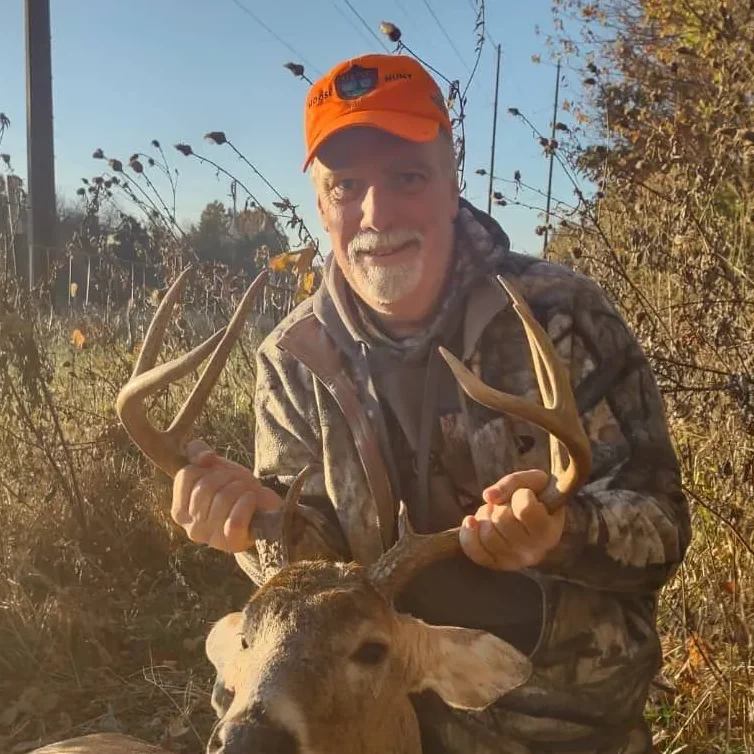

There are advantages to being a “wild individual.” I’ve been all about the wild for years.
Are you one of those people who drives down the road and your vision automatically shifts to the woods, meadows or corn fields hoping to catch a glimpse of something wild? The occasional elbow in the ribs or “keep your eyes on the road” is par for the course.
I can’t help myself — it’s part of who I am.
As a hunter-gatherer, I value wildlife as much for watching as for harvesting and cooking. In my wild kitchen, I create flavors that bring full circle the game I hunt, honoring the animal through the meal it becomes. And the holidays are the perfect time to share that outdoor lifestyle with others.
Savory dishes fill my mind this time of year: a pot simmering with moose or bear burger, Maine potatoes, onion and herbs — ideal for game pies or for spreading on toast as traditional Gorton (pronounced gah-taw).
Or try butterflying a wild turkey breast and stuffing it with toasted bakery bread, sautéed apples, onions, celery and dried cranberries or cherries. Roll it, tie it, brush with olive oil and season with sage, rosemary and garlic. Baked and sliced with whole cranberry sauce, it becomes a showpiece of clean, wild flavor — straight from God’s grocery store.


Using deer neck meat and apples to make a rich mincemeat for hand pies or stuffed holiday cookies can also be very special.
Italians have a tradition of making the Seven Fishes — seven different plates of fish to be enjoyed as a Christmas meal. Have you ever thought about creating a wild game version with your harvested game for the holidays? Imagine a spread of moose, bear, deer, wild turkey, grouse, goose or duck, even rabbit. My creative wheels are turning just thinking about it.
Here in Maine, we embrace wild game as a vital part of our way of life. Many folks I’ve known over the years use their harvests to make the holidays even more meaningful. I hope you’ll consider creating a special wild game dish for the people you gather with, so they can better appreciate this resource — and understand why we value hunting as a way to put real food from the wild on the table.
I hope your holidays are blessed from field to table.
WildCheff’s Christmas Venison Ham
The key to a successful venison ham is simple: don’t overcook it. Venison is lean, so treat it differently than pork. I recommend a leg roast (football roast).
Ingredients
Venison
1 venison roast (neck or shoulder) — moose or bear optional
2 cups of apple cider (for basting while smoking)
Brine
1 gallon of water
Pink curing salt (follow package instructions)
¾ cup kosher salt
1 ½ cups dark brown sugar
1 cinnamon stick
5 garlic cloves, crushed
1 sweet onion, quartered
2 sprigs fresh rosemary
Glaze
¾ cup dark brown sugar
⅓ cup Dijon mustard
2 Tbsp Maine maple syrup
1 garlic clove, minced
½ tsp ground cloves
½ tsp cinnamon
Directions
Make the brine
- In a large pot, add ½ gallon water and all brine ingredients.
- Bring to a simmer and stir until the salt and sugar dissolve.
- Remove from heat and add the remaining ½ gallon water.
- Refrigerate until completely chilled.
Brine the venison
- Submerge the venison in the chilled brine. If needed, switch to a narrower container.
- Place a plate on top to keep the meat submerged; cover tightly.
- Refrigerator for five days
- Remove the meat and rinse under cold water.
Make the glaze
- Combine all glaze ingredients in a bowl.
- Mix until sugar mostly dissolves.
- Refrigerate until needed.
Smoke the ham
- For best smoke and color, pat meat dry and refrigerate uncovered overnight.
- Preheat smoker to 150–180°F.
- Remove any remaining silver skin.
- Smoke for 2–3 hours, basting with apple cider every 30 minutes.
- Begin checking internal temp at the 2-hour mark.
- Increase smoker temp to ≈200°F.
- Smoke until internal temp reaches 130°F. Brush with glaze.
- Continue smoking until it reaches 140°F.
- Remove, brush with additional glaze and let rest 30 minutes before slicing.