


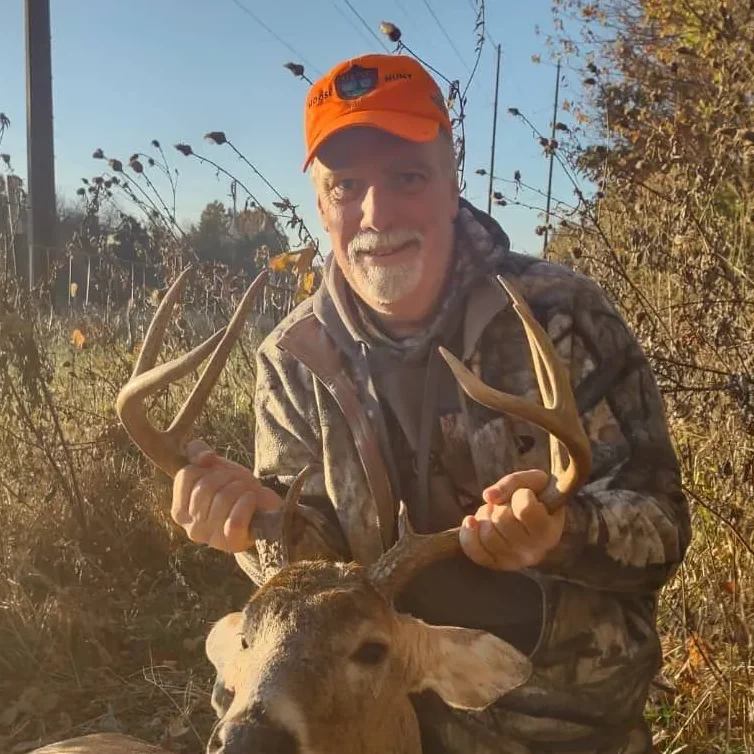

I grew up in the suburbs of a large city, the son of a career police officer, yet my youth was filled with outdoor hunting adventures, even though my family was not involved in the sport.
My first exposure to wild game came on weekends at my father’s home in the fall, when his neighbor would pull into the driveway with two deer on the trunk of their vehicle. I would always go over to observe, gather information and pat the hair on the deer. It amazed me as a young boy that it was possible to locate and harvest a deer in the wild.
I also traveled to our camp six miles over the border into Canada. It was a small, stick-built cabin on what had been a 300-acre property where Canadian relatives grew Christmas trees. The cabin sat atop a hill with tremendous views. The remnants of an old farmhouse were a hundred yards below, where we gathered water from a hand-pump well using metal milk jugs.
When we arrived at camp, we occasionally had to reposition the outhouse because moose treated it like a battering ram.
Fond memories of accepting invitations to Pepere and Memere’s house for dinner gave me my first real exposure to the culinary side of wild game. Pepere would usually snare about 100 wild rabbits per year, and Memere would slow-braise some rabbit, strip the meat from the bones and turn the braising liquid into a rich gravy using one of our secret French family methods. She served the tender rabbit in the nutty gravy with mashed potatoes and a fresh green salad from their garden with a special yogurt dressing.
I can still taste and picture those dinners. They helped me understand how special wild rabbit is on the plate.
I was finally able to explore hunting at age 15 when my mom remarried a man who grew up hunting in the White Mountains of New Hampshire and through my brother-in-law, who grew up in Sebago. Both gave me the opportunity to immerse myself in the outdoors and pursue a variety of species that sparked my interest in hunting.
As a teenager fortunate to live in the mountains, I made friends who also enjoyed outdoor hunting adventures. We sought out habitat that would contribute to a quality rabbit hunting experience.
Here in Maine, we have a tremendous natural resource that can be pursued from the end of September until March. There is an abundance of snowshoe hare to hunt. Common methods include tracking in the snow, and some guides use dogs to flush them out for clients. Typical habitat includes old apple orchards, alder thickets, evergreen stands and cedar swamps, especially after snow when tracks can be found.
Besides the obvious benefits of exercise, snowshoe hare are prized for their lean, flavorful meat. They can be enjoyed in a variety of recipes, such as stews and braised dishes using wine, bone broth or fresh apple cider. A couple of my personal favorites are wild rabbit poutine (poo-tin) and tea braised rabbit.

I have warm memories of featuring my wild rabbit poutine in food enthusiast magazines, upland publications, television and online streaming episodes. This allowed me to honor my father, since we share a love of poutine, while simultaneously paying homage to Pepere for introducing me to wild rabbit as a boy.
Little would he know that this experience influenced my path to hunting and teaching thousands of people over the past 30 years about the exciting culinary side of wild game.
I hope you consider exploring wild hare hunting so you can enjoy the experience and the flavors it offers, including delicious recipes like this.
Wild Rabbit Coq Au Vin
From WildCheff’s cookbook “A Culinary Flight”
Ingredients
1 snowshoe rabbit, cut into serving-size pieces
4 slices of smoked or uncured bacon, diced
1/2 medium sweet onion, diced
1/2 cup carrots, peeled and sliced into half moons
Tuscan seasoning
5 cloves garlic, minced
4 tablespoons butter
1 pound baby bella mushrooms, sliced
2 cups Pinot Noir wine (Riesling can be a substitute)
Parsley, rough chopped
Sea salt and pepper to taste
Olive oil if needed for sautéing
Directions
- Sauté bacon pieces in a large skillet over medium heat until fat is rendered. Remove bacon with a slotted spoon and set aside.
- Lightly season the rabbit pieces with sea salt, pepper and Tuscan seasoning. Sear them in bacon grease in a skillet until golden brown on both sides, then remove and place in a Dutch oven.
- Sauté onions, carrots and garlic in bacon grease until onions are translucent, about three minutes. Remove with a slotted spoon and set aside.
- In a separate skillet, sauté mushrooms in two tablespoons of butter until golden, about three minutes. Set aside.
- Layer half of the bacon, carrot/onion mixture and mushrooms in the Dutch oven with the rabbit.
- Drain the grease from the skillet and return it to medium heat. Pour in 2 cups of Pinot Noir wine, using a whisk to scrape up any browned bits, and cook for three minutes. Pour over the rabbit and vegetables.
- Cover the Dutch oven and bake at 300–325 degrees for 1 1/2 hours.
- Serve the braised rabbit with mashed or roasted potatoes and sprinkle minced parsley on top. Spoon the juices from the baking dish over everything.